


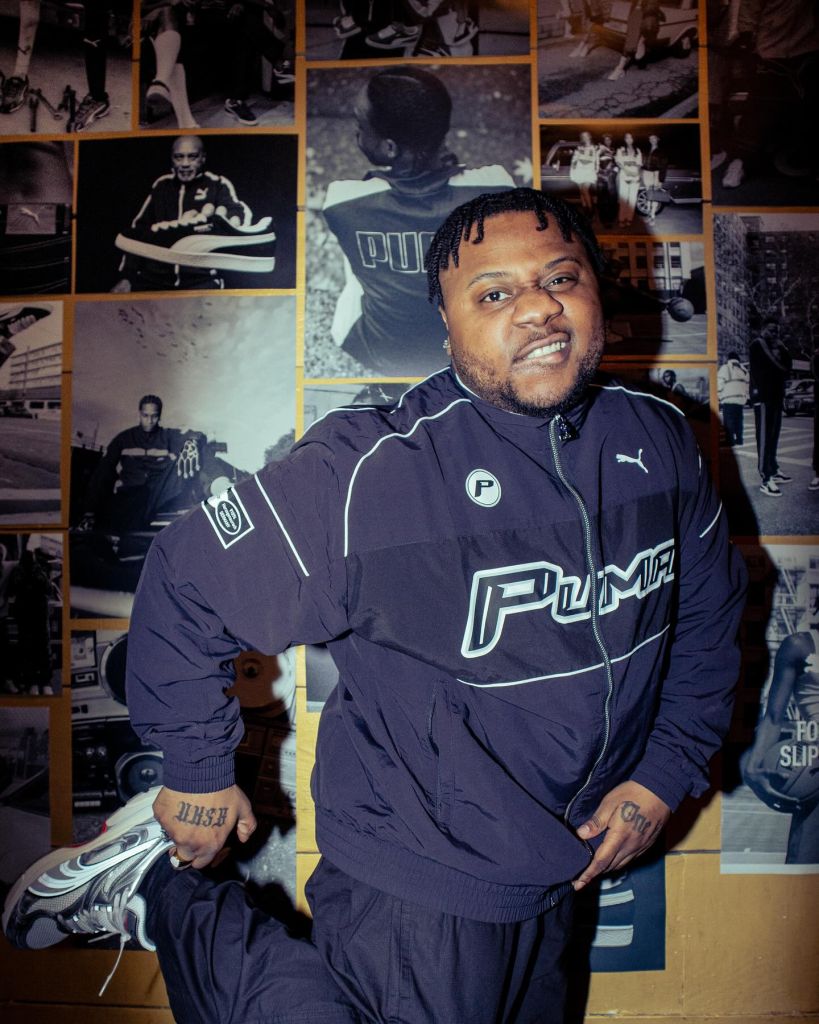
From discovering Krump through films like Rize to building an independent dance battle, managing businesses, and documenting hip-hop culture, Daybuck is creating a legacy that goes beyond the dance floor.
For Daybuck, also known as “Le Bizznesss,” hip-hop is more than a sound, a dance style, or a form of entertainment. It is a culture that has shaped his identity, influenced his ambitions, and given him a reason to build something that can outlive him.
A dancer, entrepreneur, event organiser, and cultural media founder, Daybuck represents a generation of creatives who are learning to turn their passion into sustainable ventures. His journey moves between dance battles, business operations, media production, and a growing vision of what cultural independence can look like.
But beneath the projects and entrepreneurial ambitions is a deeper motivation: a desire to preserve the culture, tell meaningful stories, and create opportunities for the next generation.
Before the battles, the businesses, and the ambition to build an empire, there were films.
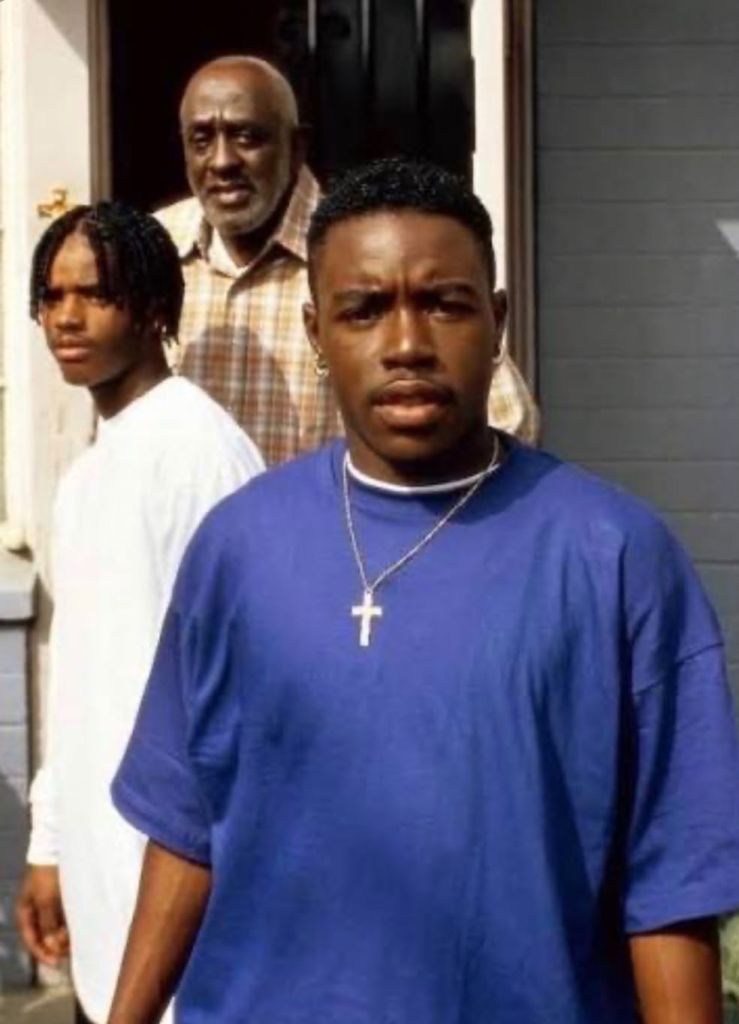
Growing up, Daybuck was drawn to African-American cinema, particularly films such as Menace II Society and Baby Boy. Beyond their stories, these films introduced him to a world of expression, identity, and street culture that would influence his creative direction.
His interest gradually expanded into dance-focused films, including Street Dancers, which brought hip-hop movement into sharper focus. Then came Rize.
The film introduced him to Krump and Steppin’, dance styles that offered something beyond choreography. They carried emotion, intensity, individuality, and a powerful sense of community.
For Daybuck, that discovery became a turning point. Krumping was no longer simply something to watch on a screen. It was something he wanted to experience, practise, and make part of his own story.
What began with an interest in film developed into a deeper relationship with hip-hop culture, eventually leading him into dance battles and competitions.
His journey offers a reminder that inspiration can come from unexpected places. Sometimes, a film does more than entertain you. It introduces you to a world you never knew you belonged to.
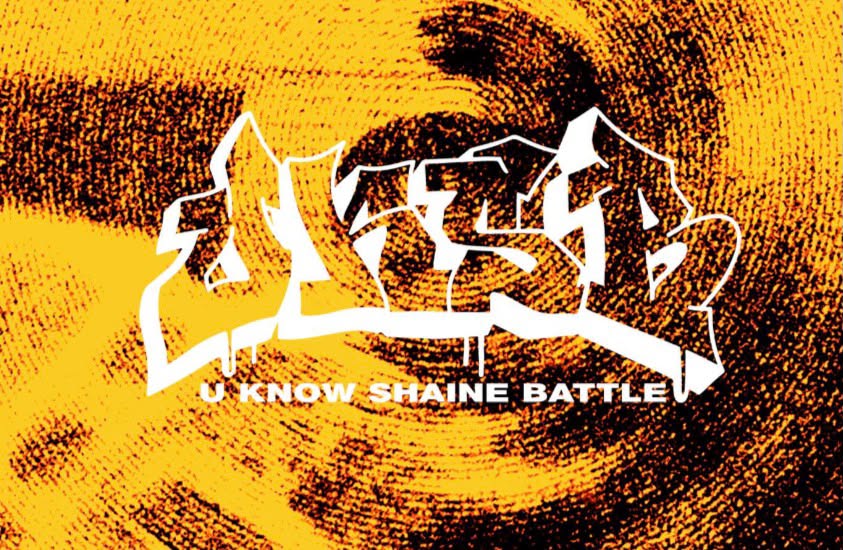
One of Daybuck’s most personal projects is UKnowShaine Battle (UKSB), an international dance battle built independently and driven by a close-knit community of people passionate about the culture.
UKSB began during the COVID-19 period, when restrictions made it difficult for people to gather. Rather than allowing the circumstances to extinguish his enthusiasm, Daybuck took the initiative to organise a street-style battle in a more intimate setting.
The early editions were held in basements, far removed from the large venues and audiences the event would eventually attract.
The first four editions went remarkably well. However, as the events grew and became completely sold out, police intervention brought that initial chapter to an unexpected halt.
For many organisers, such an obstacle could have marked the end of the journey. For Daybuck, it became part of UKSB’s story.
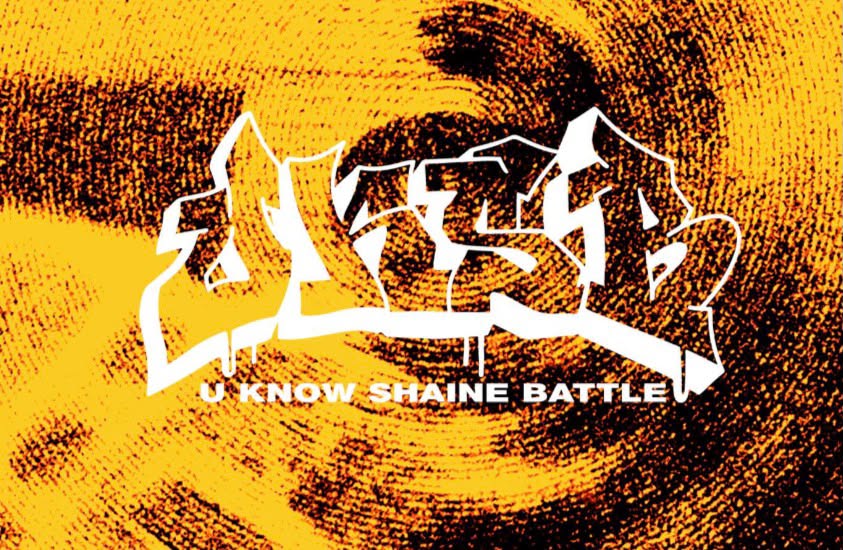
Today, the event has grown into something he can point to with pride: an independent platform with its own identity, community, and history, hosting battles in impressive venues and bringing dancers together through a shared love for hip-hop.
What makes UKSB particularly significant is its independence. It is not simply an event created to fill a calendar. It is a family-driven effort built by people who believe in the culture enough to invest their time, energy, and resources into keeping it alive.
Its growth also highlights a wider reality about creative communities: meaningful cultural institutions do not always begin with major sponsors or established infrastructure. Sometimes, they begin with a few people, limited resources, and the determination to create something that does not yet exist.
UKSB is proof of what can happen when that determination is sustained.
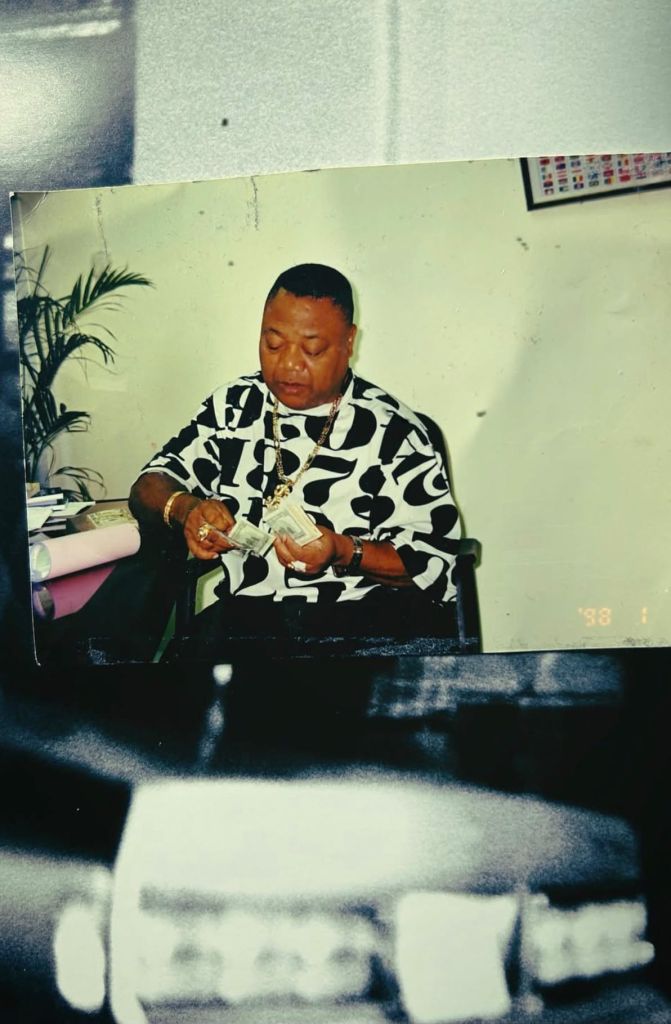
Daybuck’s entrepreneurial outlook did not emerge from dance alone. His father played a significant role in shaping how he understands business and responsibility.
Having managed several businesses and coordinated operations with associates around the world, his father provided an early example of what it means to build and manage ventures beyond a single location or industry.
That influence stayed with him.
Today, Daybuck’s activities extend well beyond the dance floor. He has taken over his father’s hair salon, investing significantly in its development. He also co-founded an import-export agency handling shipments between China and Europe.
These ventures reveal another side of his personality: the willingness to engage with the practical demands of running a business while continuing to pursue creative ambitions.
For Daybuck, entrepreneurship is not confined to one industry. It is a mindset that allows him to explore different opportunities, build structures around his interests, and work towards long-term independence.
Managing multiple ventures while remaining active in dance and culture is no small undertaking. Yet these different pursuits form part of a broader vision: building an ecosystem in which creativity, business, and cultural identity can coexist.

Among Daybuck’s projects, Bizzness TV occupies an important place.
The cultural media platform is dedicated to hip-hop, with a focus on showcasing both established artists and emerging talent. Its purpose is to give visibility to the people contributing to the culture, including those whose work may not always receive attention from mainstream media.
This is an important distinction. A culture does not survive through participation alone; it also needs documentation. Its artists, dancers, stories, events, and creative movements need platforms that can preserve their contributions and introduce them to new audiences.
Through Bizzness TV, Daybuck is working within that space.
The project reflects his understanding that building culture also means creating ways for people to be seen, heard, and remembered. It connects his interests in media, entrepreneurship, and hip-hop while offering a platform through which the community can tell more of its own story.
In an era when visibility can shape opportunities, independent cultural media has the potential to do more than report what is happening. It can help determine which stories are told, which talents are discovered, and how future generations understand the movements that came before them.
For Daybuck, that responsibility forms part of the larger picture.
Daybuck’s ambitions are not limited to maintaining the projects he already has. He is thinking about what they could become over time.
His goal is to build an empire over the next three years, bringing his ventures together into a larger legacy. While he continues to work across his existing projects, he is also preparing a major release scheduled for December.
The project is deeply connected to his personal life. Although he has kept its details private, he describes it as a story intended to raise awareness and mobilise people around an important subject.
Rather than revealing too much, he has invited people to stay tuned for early December.
The project could mark another dimension of his work, moving beyond business and entertainment into personal storytelling and advocacy. Its full significance will become clearer when it is released.
For now, it stands as a reminder that the things people build publicly are often connected to experiences they have yet to share.
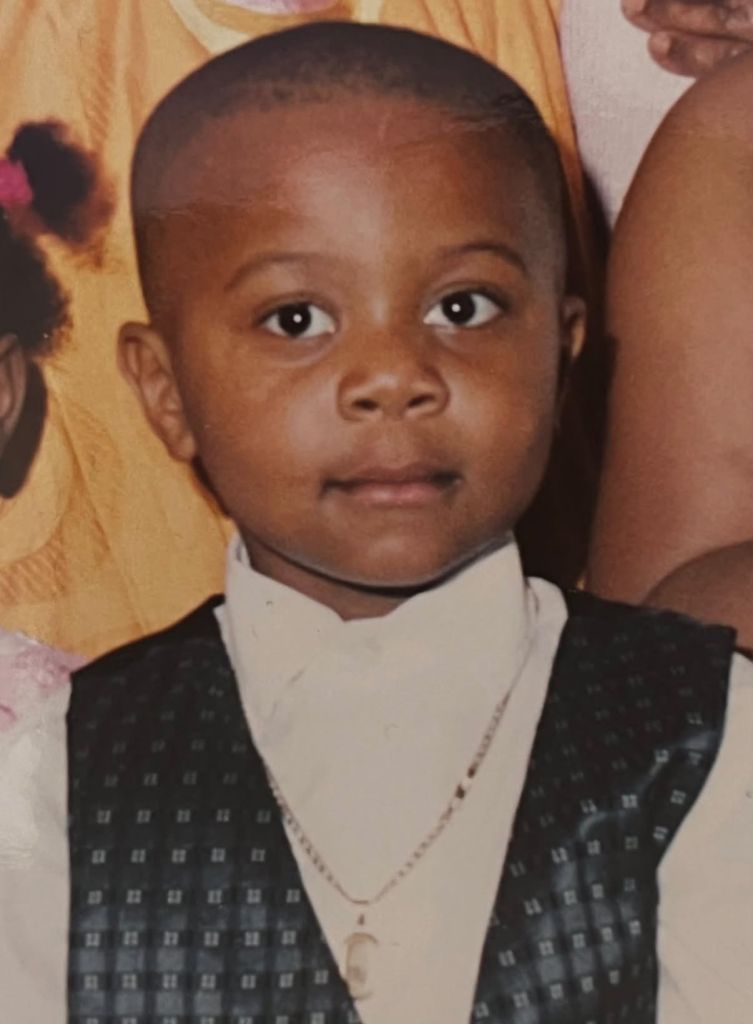

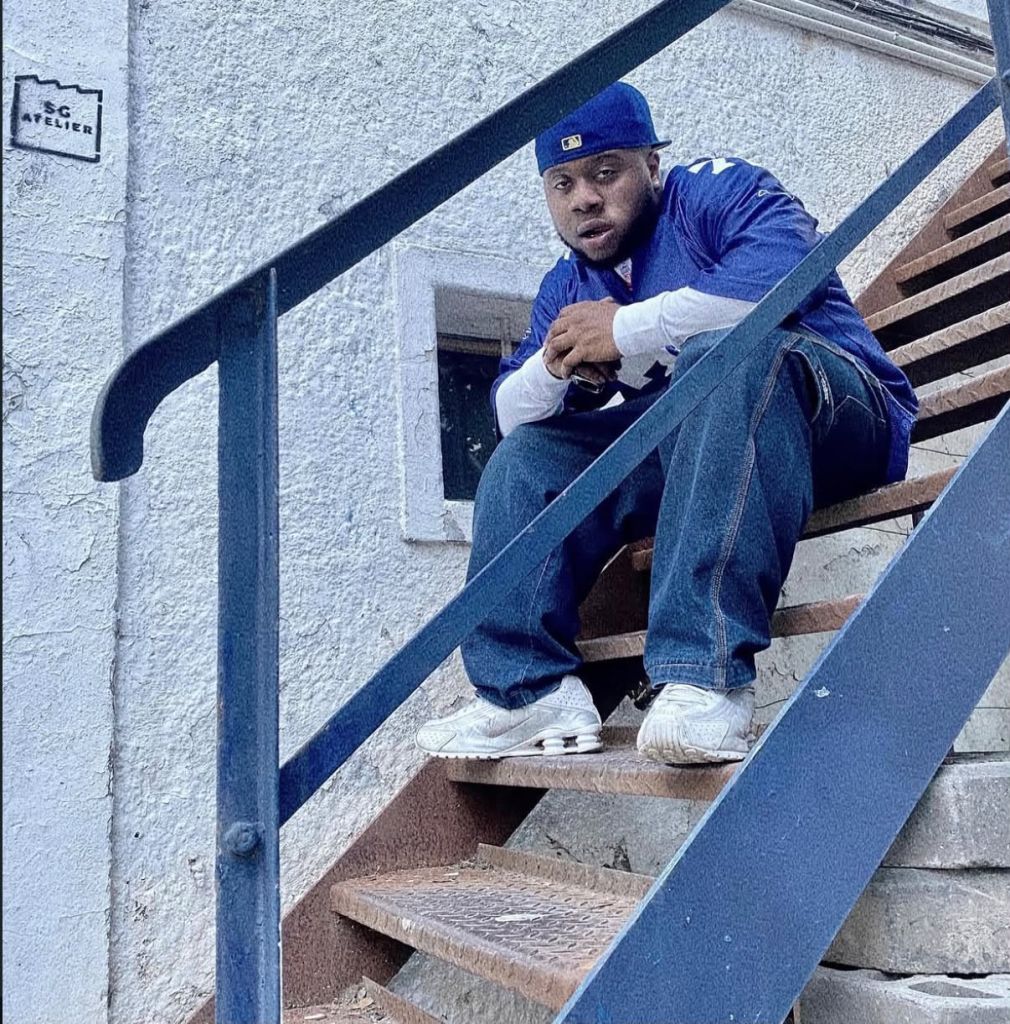
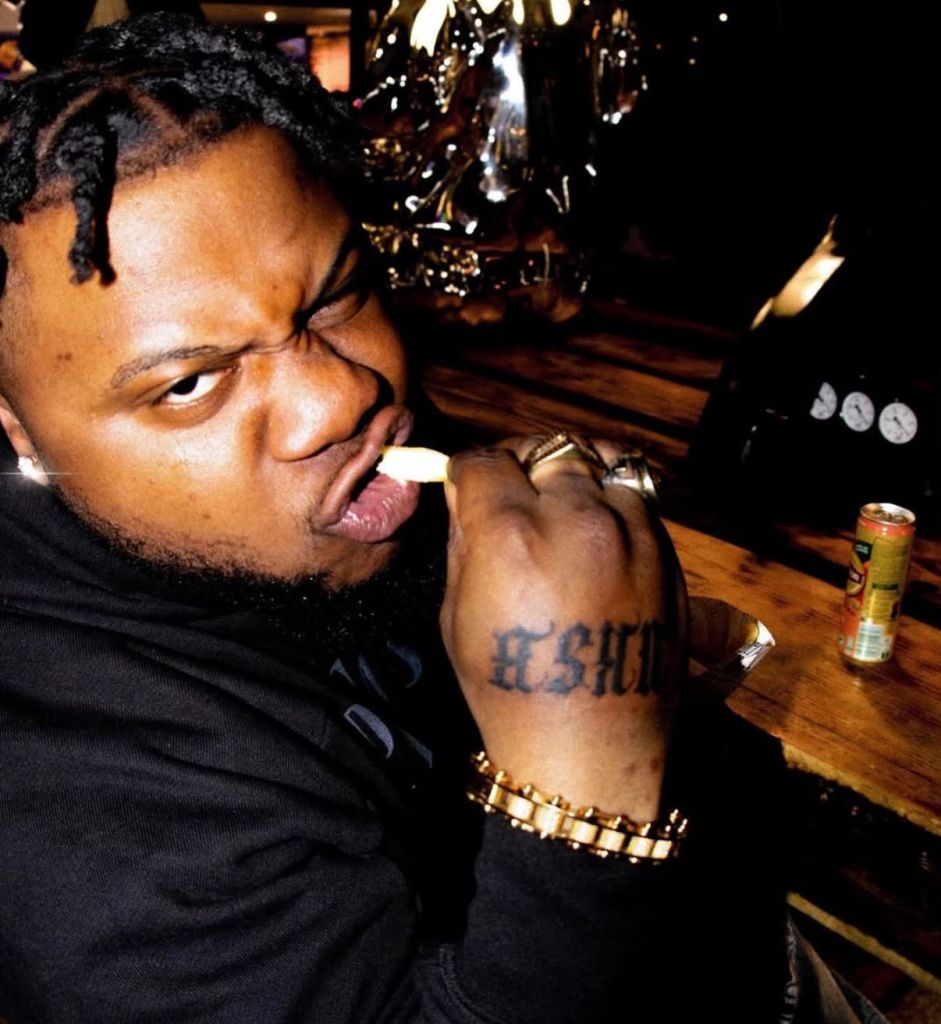

For all his entrepreneurial ambitions, Daybuck’s message ultimately returns to the culture that started his journey.
He wants to be remembered as a young Black man who was proud of his identity and willing to fight for his culture. He hopes the next generation will take the time to understand that culture, learn its history, and continue the work of preserving it.
His message is rooted in faith, too.
“If I were to leave a message on this earth, it would be to always put God first—fear nothing, believe in yourself, stay focused, and thank the Lord.”
It is a philosophy that brings together the personal and the professional: faith as a foundation, self-belief as a driving force, and focus as a requirement for building something meaningful.
Daybuck’s journey is still unfolding. UKSB continues to carry the energy of the community that created it. Bizzness TV provides a space for hip-hop stories and emerging talent. His business ventures represent a commitment to entrepreneurship, while his upcoming December project promises a more personal account of his life.
Whether through dance, business, or media, the underlying ambition remains consistent: to create something with lasting value.
Because building an empire is not only about how much a person owns or how many ventures they manage. It is also about what remains after the moment has passed—the communities strengthened, the opportunities created, the stories preserved, and the people inspired to continue.
For Daybuck, that is what it means to build for the culture.
And the next three years, by his own account, are only the beginning.

Proudly powered by Creative Culture