



In a music ecosystem often dominated by viral trends and major label dominance, Momoh Pius Oshogwemoh—known professionally as MC Bluetooth CCFR—is playing a completely different game.
He isn’t just riding the wave of Nigerian music culture; he’s designing the pipes, stages, and business models that allow independent talent to flow globally. Broadcast journalist, On-Air Personality at Wazobia FM Abuja, voice and stage actor, theater director, and talent strategist—Bluetooth operates at the intersection of mass communication and cultural engineering.
Through his outfit, Bluetooth Entertainment, his mission is clear: prove that “alternative” music isn’t a niche edge case—it’s the future of African sound.
Moving Beyond the Microphone
Nigeria has never had a shortage of raw talent. What it has historically lacked is the professional infrastructure required to scale that talent sustainably. For MC Bluetooth, merely talking about the music on radio wasn’t enough.
“I didn’t just want to be someone who talks about the music,” Bluetooth explains. “I wanted to be someone who builds the stages, creates the masterclasses, and manages the careers that turn raw potential into global exports.”
His current focus balances intimate, high-touch fan experiences with structural artist development. He continues to push stagecraft boundaries as a director with Uvies Theatre Production, alongside collaborating closely on career progression with international multi-award-winning Queen of Afro-folk, Blessing Tangban. Through initiatives like his Alchemy Sessions and educational workshops for the Abuja Alternate Festival, Bluetooth is demystifying the business for independent artists—helping them transition from simply being “good talent” to becoming sustainable, high-value brands.
Turning Abuja into a Global Cultural Powerhouse
Over the next three to five years, Bluetooth is positioning himself to transition from a facilitator of local creative scenes to a primary exporter of African intellectual property. Central to that vision is establishing a permanent, year-round infrastructure for the Abuja Alternate Festival to make it the benchmark for independent music festivals across the continent.
His ultimate ambition extends beyond events; he wants to put Abuja firmly on the global map—not just as Nigeria’s political capital, but as a world-class engine for alternative sound and artistic education.

The Shift from Solo Performer to Ecosystem Builder
True growth rarely comes from smooth sailing. For Bluetooth, navigating over a decade of high-stakes productions—from “The Mall Invasion” to complex hybrid festival logistics—yielded a foundational truth: passion ignites a project, but professional discipline sustains it. The biggest evolution in his career was shifting from a solo performer to a manager and project convener.
“The experience that shaped me most was recognizing that I couldn’t just tell artists to be professional—I had to provide the environment where professionalism was the only option,” he reflects. “Authenticity is not just about being ‘real’; it is about being consistent in your standards.”
The Message: “Your Art Is a Business”
When asked how he wants to be remembered, MC Bluetooth settles on a single phrase: The Architect of Possibility. His closing message to independent creators serves as both a reality check and a rally cry for the current generation of African artists:
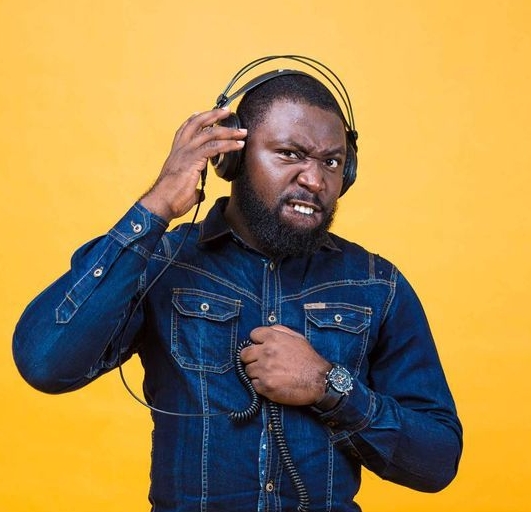
“Your art is a business, and your development is your responsibility. Do not wait for a major label or a massive windfall to legitimize your craft. Take ownership of your growth, invest in your knowledge, and build your own platforms. We have the culture, we have the rhythm, and we have the stories. It is time we apply the structure to ensure that our music outlives the trends.”

Proudly powered by Creative Culture