


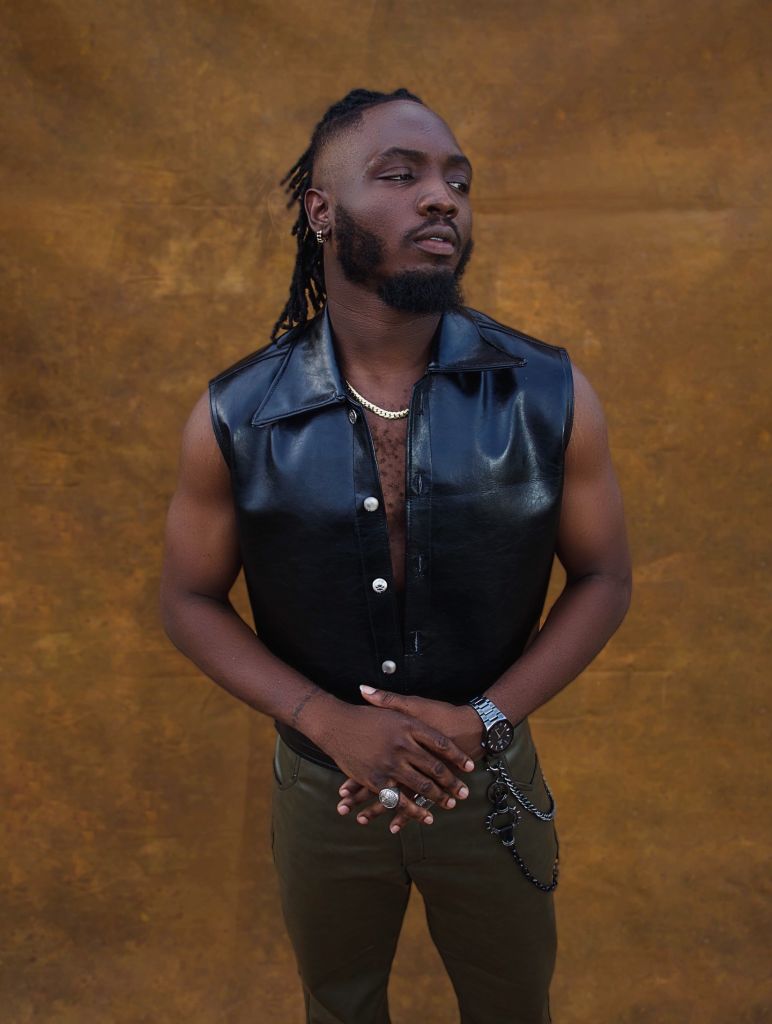
There was a time when Abuja was rarely spoken about as a serious destination for youth culture.
For Sowa, that was never the city he believed Abuja had to remain.
An artist, event organiser, culture builder and the creative force behind The Capital Movement, Sowa has spent the better part of a decade challenging the idea that Abuja could not become a major entertainment city. What began as a desire to see his hometown represented differently has grown into a movement that has helped reshape how the capital experiences music, nightlife and creative culture.
Building What Was Missing
Sowa’s relationship with music began long before The Capital Movement.
During Abuja’s early SoundCloud era, he was already emerging as one of the city’s music creatives. But after returning from school in the United States, he found an Abuja that felt dramatically different from the creative cities he had experienced abroad.
The advice was simple: move to Lagos.
Instead, Sowa took it personally.
He wanted Abuja to have the kind of cultural identity he had seen artists proudly claim in other cities. He wanted people to be able to say they were from Abuja and have that identity mean something creatively.
So rather than leave, he decided to build.
That decision eventually became The Capital Movement.
From Artist to Culture Builder
Building TCM meant temporarily stepping away from his own music to focus on something larger.
Sowa moved deeper into A&R, talent development, event organisation and community building, working closely with artists and creatives while helping shape the ecosystem around them.
The first major statement came in 2016 with TCM Festival.
What started as one festival became the beginning of something much bigger. Over the years, TCM has grown into a culture platform connecting music, nightlife, fashion, live experiences, talent and brands.
For Sowa, the significance isn’t simply in how many events have happened.
It is in what became possible because they happened.
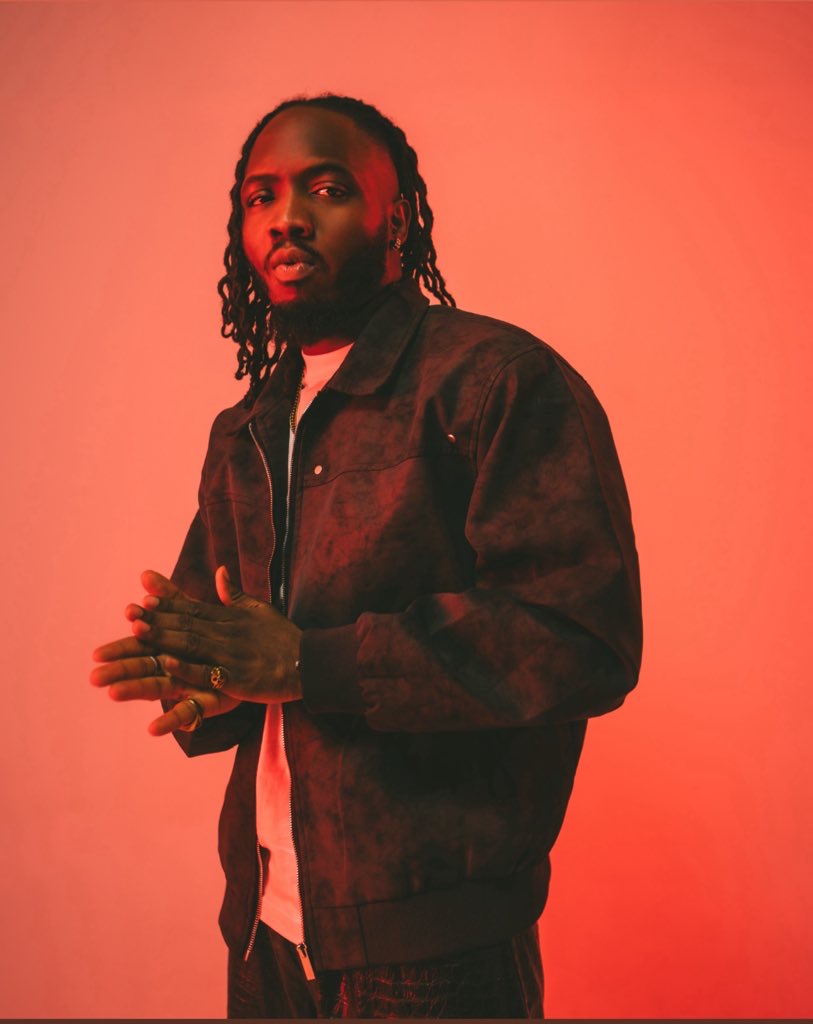
Making Abuja Believe
Every new city needs people willing to believe before there is evidence.
Sowa became one of those people for Abuja.
There were gatekeepers, doubters and plenty of reasons why certain things supposedly couldn’t happen. There were no established systems to follow and no ready-made blueprint for building the kind of creative ecosystem he envisioned.
So he learned by doing.
And slowly, the impossible became normal.
Major artists began coming to Abuja. Bigger events began taking place. Young creatives found more opportunities to participate in the city’s entertainment economy. Today, TCM describes itself as a platform connecting Abuja’s music, nightlife, fashion, live experiences, talent development, brand partnerships and media.
The city had begun to move.
The Next Chapter Is Bigger
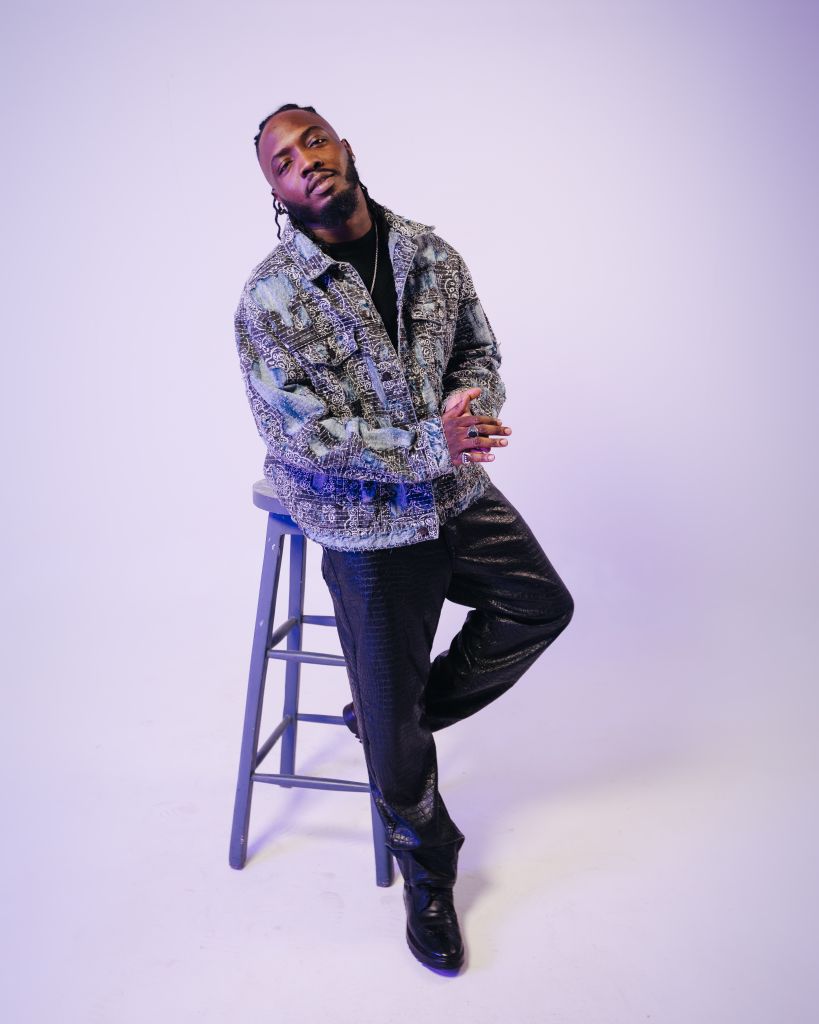
But Sowa isn’t interested in simply celebrating what has already been built.
His next ambition is to take Abuja beyond being a destination for culture and turn it into an exporter of culture.
He wants the city to produce talent, ideas, music, events and creative movements capable of travelling across Nigeria and beyond.
And alongside that vision, Sowa is returning to something deeply personal: his own music.
After years of building platforms for other people, he is ready to put more of himself back into the story.
The artist and the culture builder are no longer separate journeys. They are becoming one.
Building the City He Wanted to See
Perhaps the clearest lesson from Sowa’s journey is that systems do not always arrive before the people who need them.
Sometimes, someone has to build them.
Sowa chose to do that.
He chose to stay when leaving seemed easier. He chose to build when there was no blueprint. He chose to believe in Abuja when others were convinced the city wasn’t ready.
Now, his ambition is even bigger: to see The Capital Movement become a major force in Nigerian entertainment and to see Abuja stand confidently alongside the country’s biggest creative cities.
For Sowa, the journey has always been about more than himself.
It has been about giving a city a voice.
And perhaps the most fitting way to describe his philosophy is the simplest:
If the system you need doesn’t exist, build it.

Proudly powered by Creative Culture
The best in the game 👊